Recently, a series of new safety standards, regulatory policies, and compliance requirements related to home massage equipment have been implemented across major domestic and international markets. These policy updates are accelerating the transformation of the massage equipment industry from extensive, price-driven growth toward a more standardized, regulated, and high-quality development stage.As consumer demand for health and wellness products continues to rise globally, regulatory authorities in different regions are placing greater emphasis on product safety, environmental protection, functional accuracy, and quality consistency. This shift is reshaping the competitive landscape of the massage equipment sector and encouraging manufacturers to strengthen compliance systems and technological capabilities.
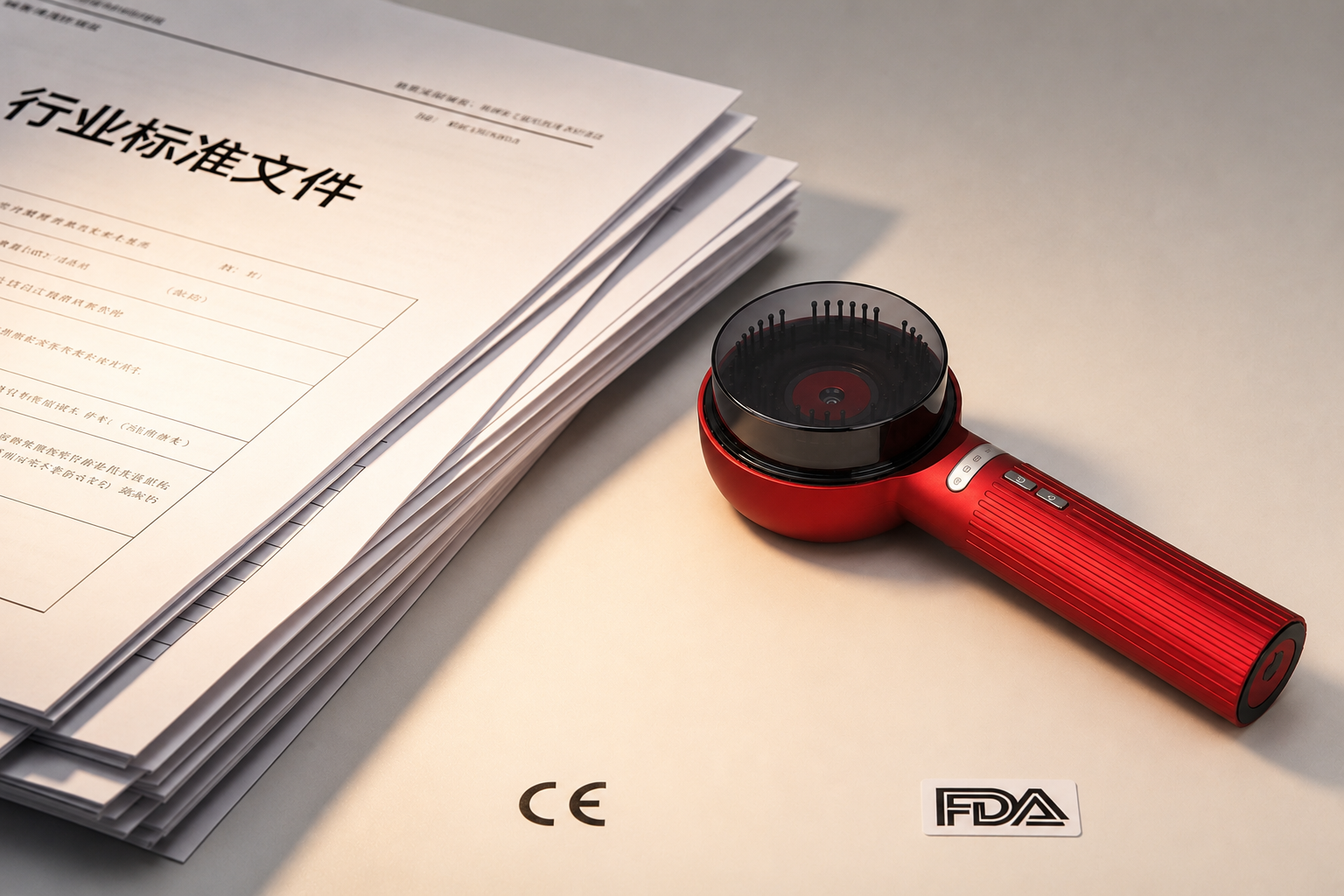
Domestic Regulatory Upgrades Strengthen Industry Standards
In the domestic market, the latest revision of home appliance safety standards and electromagnetic compatibility (EMC) requirements has been officially implemented. These updated regulations introduce stricter technical specifications covering multiple aspects of product performance and safety.Key requirements include enhanced temperature control protection systems, improved motor safety standards, stronger structural durability, and higher material flame retardancy levels. These updates are designed to ensure that massage equipment can operate safely and reliably under long-term usage conditions, reducing potential risks associated with overheating, electrical faults, or material degradation.At the same time, regulatory authorities have also strengthened supervision over product marketing claims. For products that advertise physical therapy, pain relief, or soothing effects, the wording and promotional content must now be more strictly standardized. Manufacturers are required to ensure that product descriptions are accurate, verifiable, and not misleading to consumers.This regulatory tightening has had a direct impact on the industry structure. A number of small and medium-sized manufacturers that lack sufficient research and development capabilities, quality control systems, and compliance resources are gradually being phased out of the market. As a result, the overall industry is undergoing consolidation, with leading companies gaining a more stable position in the competitive landscape.
International Compliance Requirements Continue to Tighten
In global markets, particularly in major export regions such as the European Union, the United States, and Southeast Asia, regulatory frameworks for electronic consumer products are also becoming increasingly strict.Environmental protection directives, energy efficiency standards, and product safety certification systems are being continuously updated. Certifications such as CE, FDA, and UKCA have become essential entry requirements for international market access. Without these certifications, products face significant barriers to entry, limiting their ability to participate in global distribution channels.In addition, some regions are strengthening regulations related to sustainable materials, energy consumption, and electronic waste management. These policies are encouraging manufacturers to adopt more environmentally friendly production processes and improve the overall sustainability of their product lifecycle.For many manufacturers, this means increased investment in product testing, certification processes, material selection, and supply chain compliance management. While these requirements raise operational costs, they also push the industry toward higher quality standards and more responsible manufacturing practices.
Rising Importance of Product Safety and Quality Control
As massage equipment becomes more widely used in home, office, and travel scenarios, product safety and reliability have become key concerns for both regulators and consumers. Devices are expected to operate safely under different usage environments, including prolonged operation and frequent use.Stricter standards on motor performance, heating systems, battery safety, and structural design are driving manufacturers to improve their engineering capabilities. In particular, temperature control systems and overload protection mechanisms have become essential components in modern massage devices.Material selection is also receiving increased attention. Flame-retardant materials, skin-friendly fabrics, and durable internal components are being widely adopted to ensure long-term product stability and user safety.
Impact on Industry Structure and Market Competition
The implementation of new regulatory requirements is accelerating the restructuring of the massage equipment industry. Companies that are unable to meet compliance standards or invest in technological upgrades are gradually losing competitiveness and market presence.At the same time, enterprises with strong research and development capabilities, advanced manufacturing systems, and comprehensive quality management processes are gaining a stronger position in both domestic and international markets.Industry concentration is expected to continue increasing as the market shifts toward higher barriers to entry. This trend is likely to result in a more stable and standardized competitive environment, where product quality and compliance capability become the key differentiating factors.
Shift Toward High-Quality Development
Industry experts widely agree that although stricter regulations may increase short-term operational costs for manufacturers, they will contribute to the long-term health and sustainability of the industry.By eliminating low-end production capacity and reducing non-compliant products in the market, these regulatory changes help improve overall product quality and consumer trust. In the long run, this will enhance the global reputation of domestically manufactured massage equipment and strengthen its competitiveness in international markets.High-quality development is becoming the central direction of the industry. Manufacturers are increasingly focusing on technological innovation, product reliability, and compliance management as core strategic priorities.
Growing Emphasis on R&D and Supply Chain Optimization
In response to evolving regulatory requirements, companies are accelerating investment in research and development, product testing, and supply chain optimization. This includes upgrading production equipment, improving quality inspection systems, and enhancing material sourcing standards.Supply chain transparency is also becoming more important, as international buyers increasingly require clear documentation on product components, manufacturing processes, and certification compliance. This trend is encouraging closer collaboration between manufacturers, suppliers, and testing institutions.Through continuous improvement in these areas, manufacturers are better positioned to meet global regulatory expectations and adapt to changing market demands.
Long-Term Outlook for the Industry
Looking ahead, the massage equipment industry is expected to continue moving toward a more standardized, technology-driven, and compliance-focused development model. Regulatory frameworks will likely become even more detailed and comprehensive as governments place greater emphasis on consumer safety and environmental responsibility.At the same time, global demand for health and wellness products remains strong, driven by aging populations, increasing work-related stress, and growing awareness of preventive healthcare. This provides a solid foundation for long-term market growth.In this evolving environment, companies that can balance compliance, innovation, and product quality will be better positioned to achieve sustainable development and expand their presence in global markets.Overall, the recent implementation of multiple new regulations marks a significant turning point for the massage equipment industry. The sector is transitioning from rapid, unregulated expansion to a more structured and high-quality development phase.While short-term challenges such as increased compliance costs and stricter certification requirements are inevitable, the long-term benefits include improved product safety, enhanced industry reputation, and more stable market growth.As the industry continues to upgrade, standardization and innovation will become the key drivers shaping the future of the global massage equipment market.