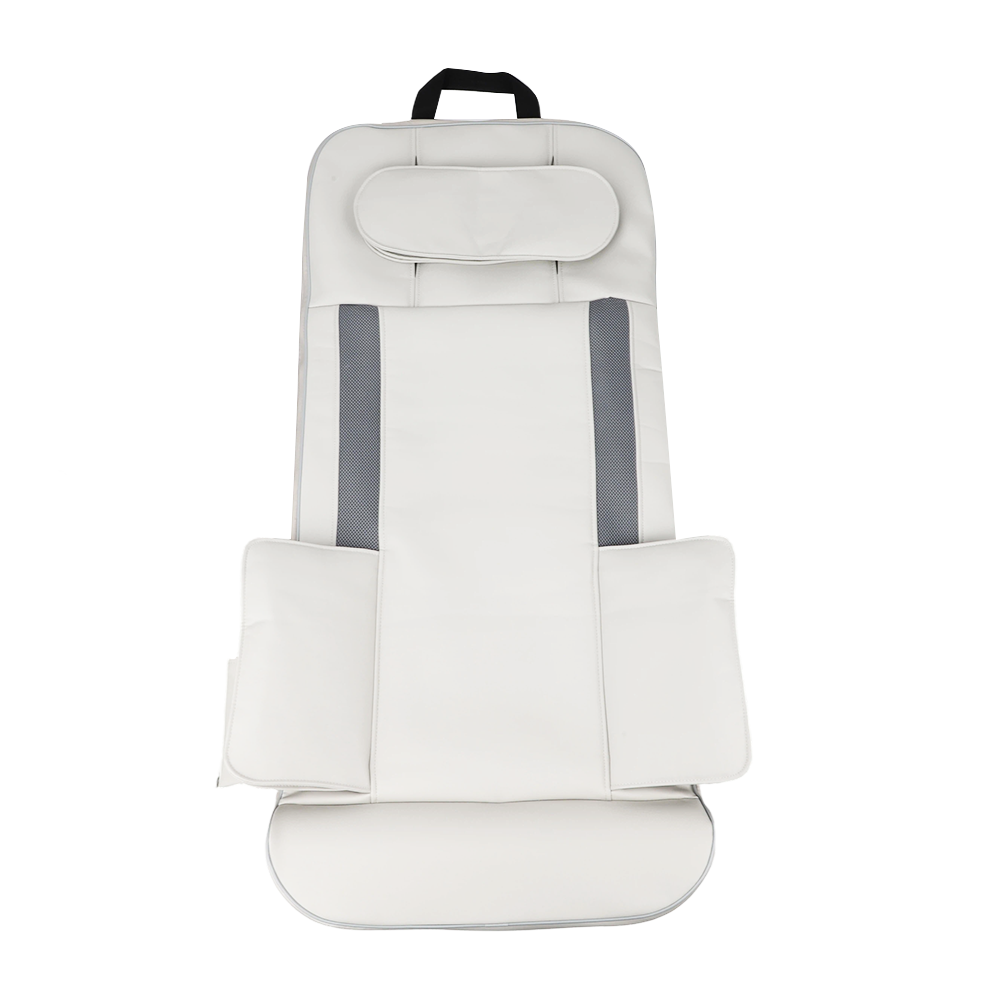
In the first quarter of 2026, the global household massage equipment market demonstrated a steady recovery trend, reflecting renewed consumer confidence and increasing awareness of personal health and wellness. According to industry observations, overall market sales grew by approximately 12% year-on-year, indicating a stable rebound following previous periods of fluctuation. Among all regions, the Asia-Pacific market stood out as the primary growth engine, achieving a growth rate of over 15% and reinforcing its importance in the global health consumer electronics landscape.
Rising Demand Driven by Lifestyle Changes
One of the key factors driving this growth is the ongoing shift in modern lifestyles. With the increasing number of sedentary office workers worldwide, health issues such as neck stiffness, shoulder tension, and lower back discomfort have become more common. At the same time, the growing popularity of fitness activities has led to higher demand for post-exercise recovery solutions. These dual drivers—office-related fatigue and sports-related muscle recovery—are significantly shaping consumer demand for massage equipment.As a result, users are no longer viewing massage devices as occasional luxury items but as essential tools for daily wellness management. This shift in perception is contributing to the consistent expansion of the household massage equipment market and encouraging manufacturers to focus more on practicality, usability, and frequency of use.
Miniaturization, Portability, and Smart Features Lead Trends
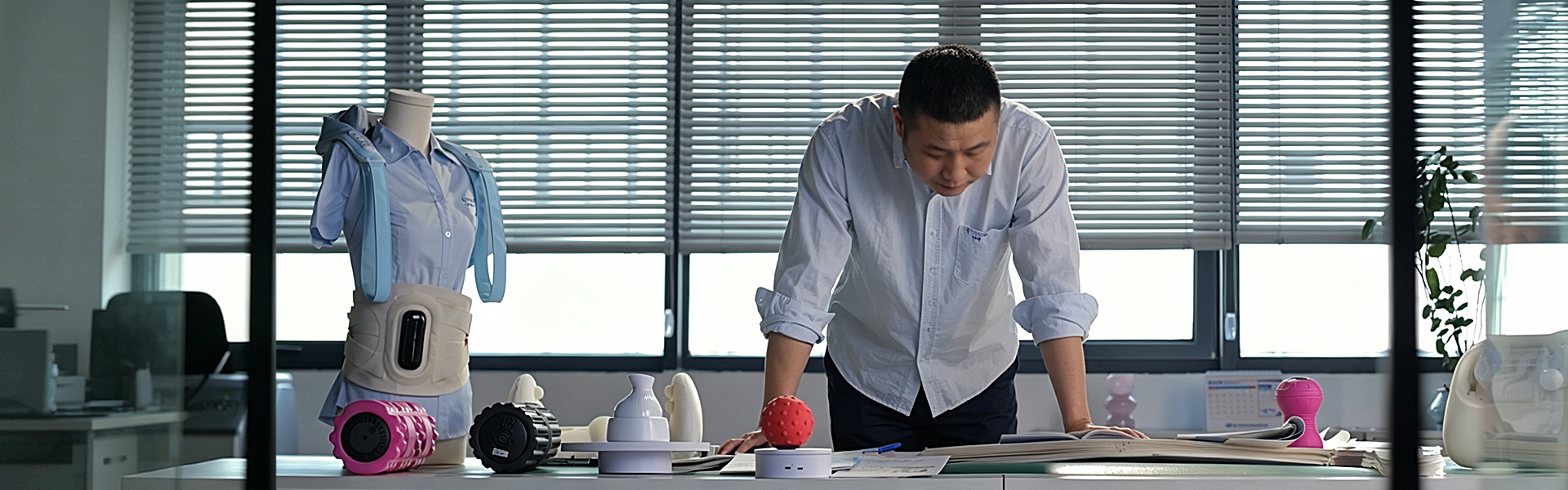
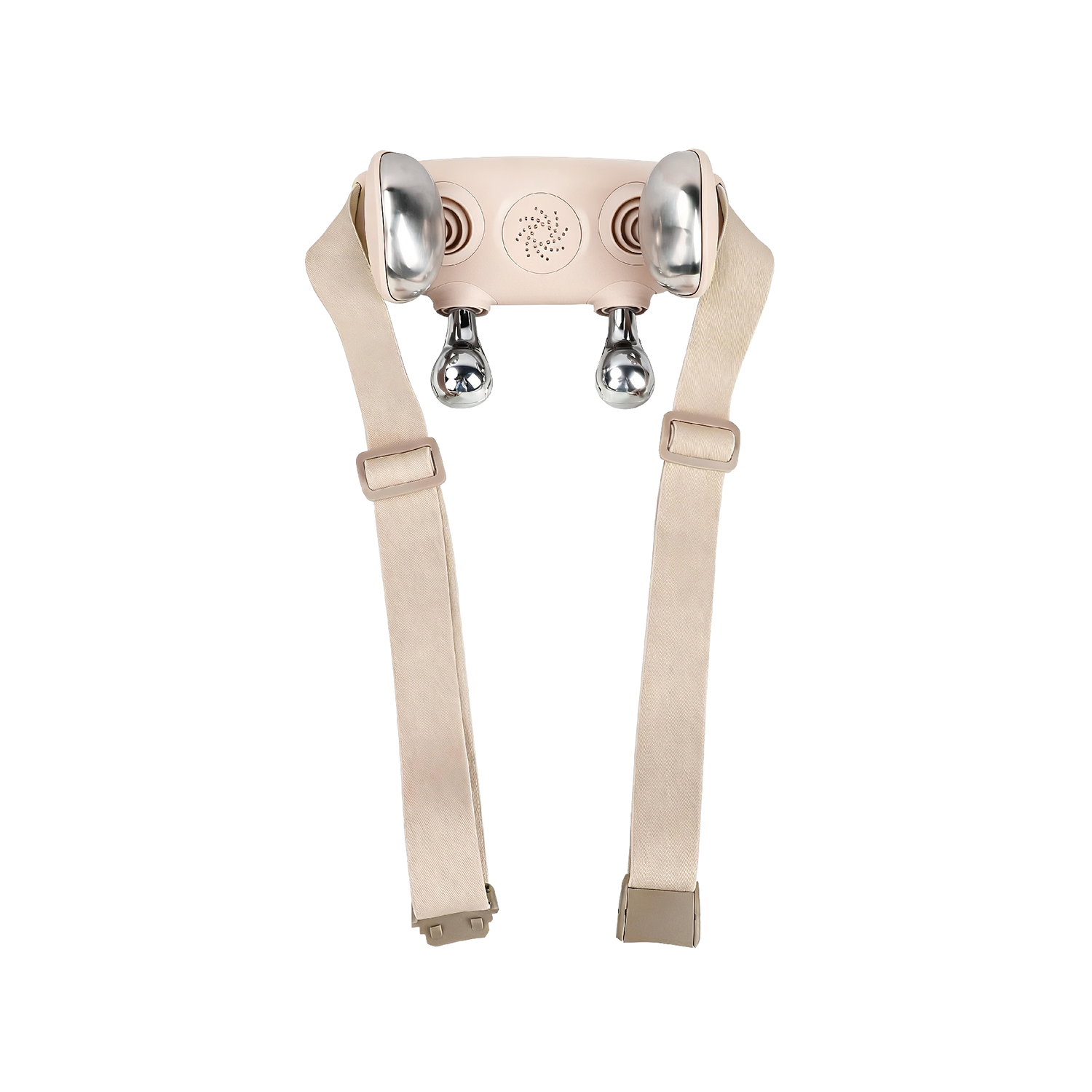
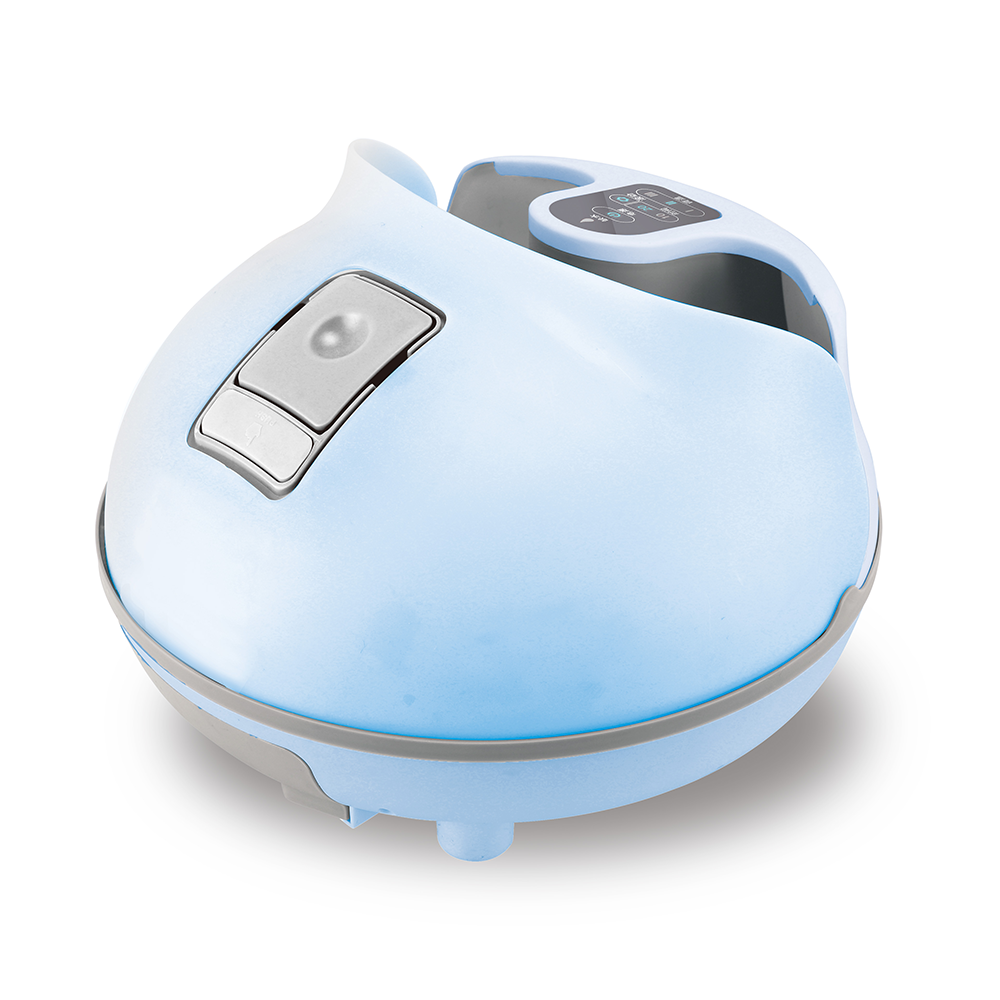
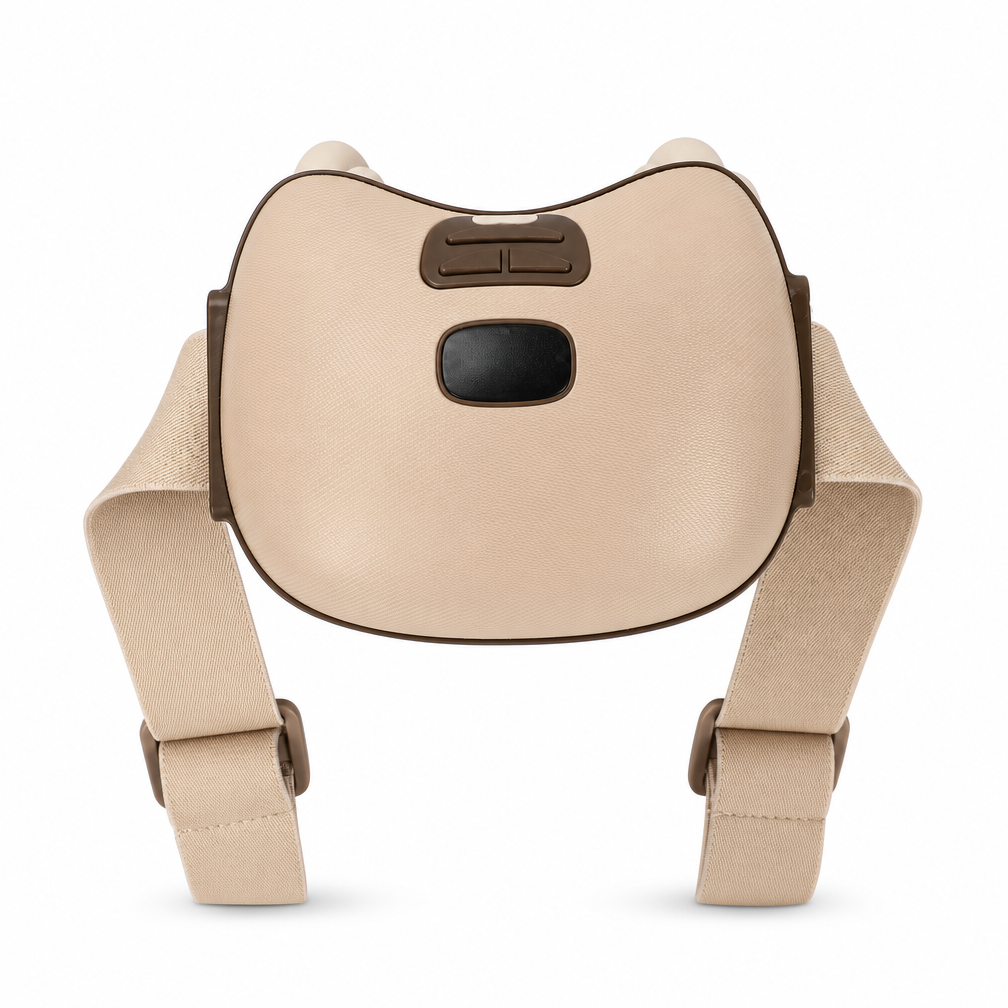
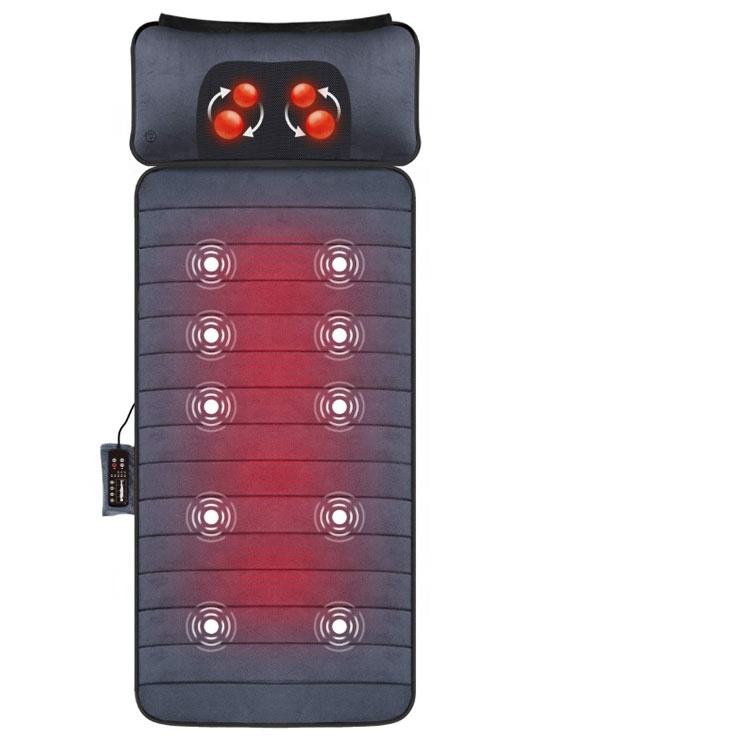
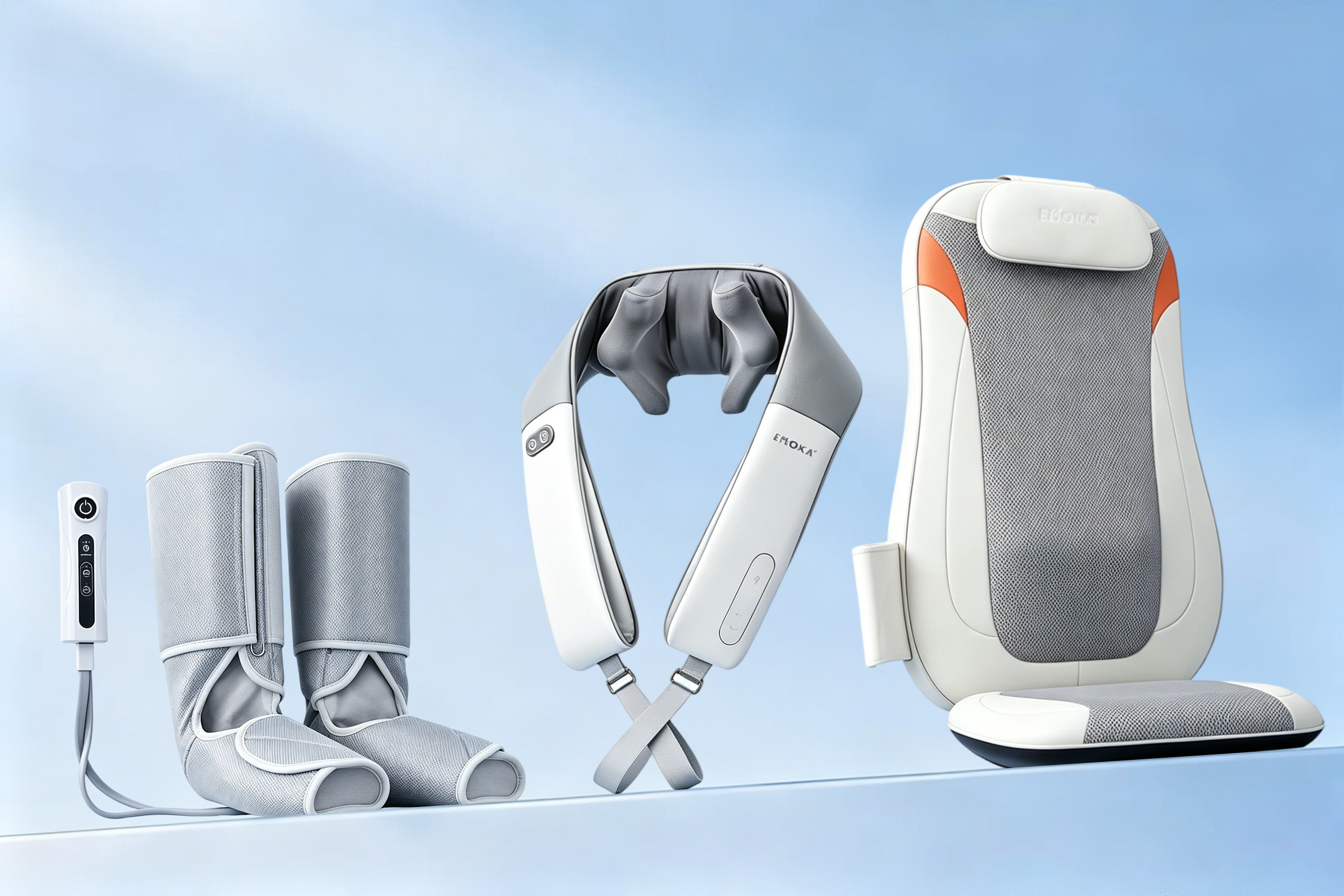
From a product development perspective, three major trends have become increasingly prominent: miniaturization, lightweight design, and intelligent functionality. Consumers are showing a strong preference for products that are easy to carry, convenient to use, and adaptable to different scenarios such as home, office, gym, or travel.Portable massage devices—including neck and shoulder massagers, waist massagers, and hot compress massage cushions—have experienced significant growth in sales volume during this period. Compared with traditional large-scale massage equipment, these compact products offer greater flexibility and are better aligned with modern, fast-paced lifestyles.In addition, smart features are becoming a decisive factor in purchasing decisions. The integration of app-based control, customizable massage modes, and intelligent adjustment systems enhances user experience and provides a more personalized approach to relaxation and recovery. As consumers become more familiar with smart home ecosystems, the demand for connected and intelligent wellness devices continues to rise.
Slower Growth for Traditional Massage Chairs
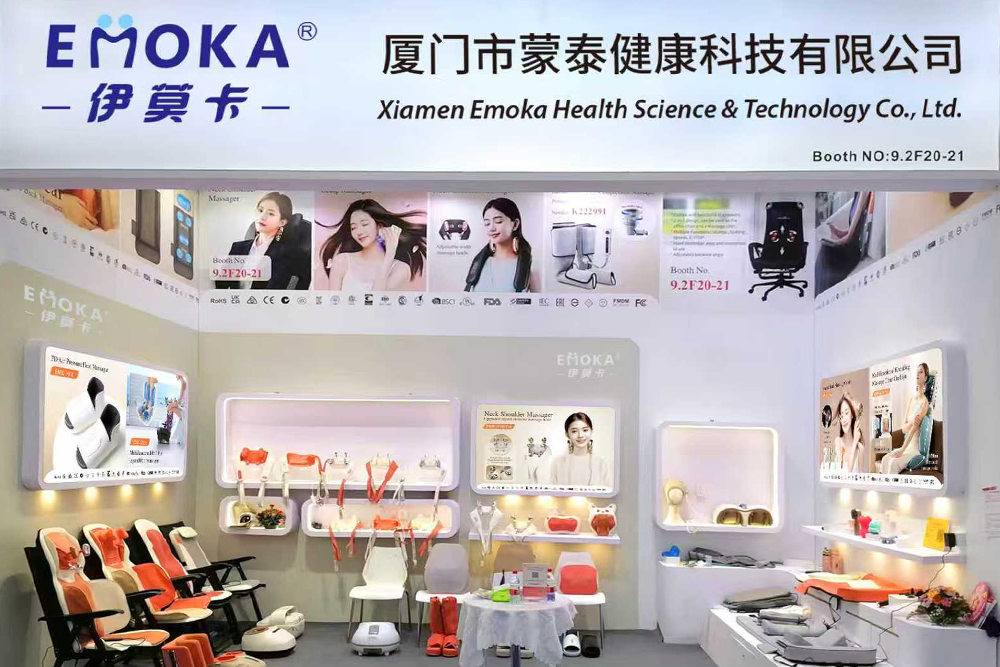
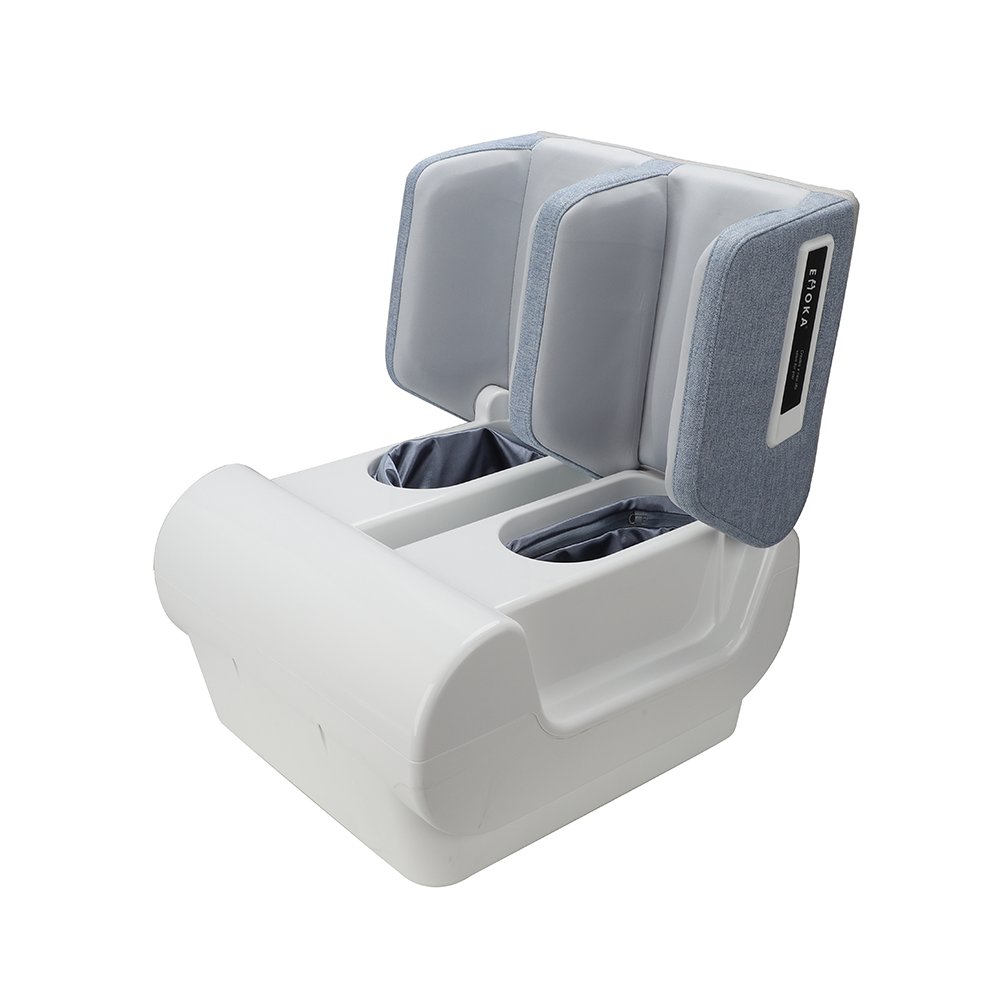
While the overall market is expanding, not all product categories are growing at the same pace. Traditional large-scale massage chairs, once a dominant segment in the industry, are now experiencing slower growth. This trend is largely due to factors such as higher cost, larger space requirements, and lower portability compared to newer alternatives.Consumers today are increasingly prioritizing flexibility and convenience, which has shifted attention toward smaller, more versatile products. Although massage chairs still maintain a presence in premium and high-end markets, their growth is being outpaced by portable and multifunctional devices that better meet everyday usage scenarios.
Online Channels Continue to Expand
Another notable trend in the first quarter of 2026 is the continued expansion of online sales channels. E-commerce platforms and digital marketplaces have become essential distribution channels for massage equipment, offering consumers easy access to a wide range of products, detailed information, and user reviews.The rise of cross-border e-commerce has further accelerated global market integration, allowing brands to reach international customers more efficiently. Online channels also enable faster product launches, real-time feedback collection, and more dynamic marketing strategies, all of which contribute to stronger market responsiveness.As digital purchasing behavior becomes more established, the proportion of online sales in the massage equipment sector is expected to keep increasing, reshaping traditional distribution models.
Preferences of Younger Consumer Groups
Younger consumers are playing an increasingly important role in shaping market trends. This demographic group places greater emphasis on product design, functionality, and user experience, driving demand for more innovative and aesthetically appealing solutions.Key features that resonate with younger users include hot compress functionality, low noise operation, long battery life, and smart app integration. These elements enhance convenience and usability, making massage devices suitable for use in various environments without disruption.In particular, products equipped with warm hot compress technology, multi-mode kneading systems, and human-like hand massage simulation are gaining popularity. These features provide a more realistic and effective massage experience, bridging the gap between traditional manual massage and modern electronic devices.
Technological Differentiation Becomes Competitive Focus
As competition intensifies, brands are increasingly focusing on technological differentiation to stand out in the market. Advanced features such as multi-contact massage systems, multi-level intensity adjustment, and ergonomic design are becoming key selling points.Products that offer a more precise and comfortable massage experience tend to have stronger premium positioning and higher perceived value. Ergonomic design, in particular, plays a critical role in ensuring that devices fit the natural contours of the human body, enhancing both effectiveness and comfort.Innovation in materials, motor technology, and control systems is also contributing to improved performance and durability, further strengthening product competitiveness.
Expanding Application Scenarios
Industry experts widely believe that the role of massage equipment is evolving beyond basic relaxation. In the future, these devices are expected to expand into more specialized and professional application scenarios, including health management, sleep assistance, and muscle rehabilitation.This shift reflects a broader trend toward preventive healthcare and holistic wellness. Consumers are increasingly seeking solutions that not only relieve temporary discomfort but also support long-term physical well-being.As a result, the integration of massage technology with health monitoring systems, smart sensors, and personalized data analysis may become a key direction for future development. This evolution will open up new opportunities for innovation and market expansion.
Strong Growth Potential Ahead
Despite the progress already made, the global massage equipment market still holds significant growth potential. The combination of rising health awareness, technological advancement, and changing consumer preferences continues to create new opportunities for product development and market expansion.The increasing adoption of portable and smart massage devices indicates a clear shift toward more accessible and user-friendly wellness solutions. At the same time, the diversification of application scenarios is broadening the scope of the industry, allowing it to reach new consumer segments.Looking ahead, companies that can effectively combine innovation, functionality, and user-centric design will be well-positioned to capture emerging opportunities and maintain long-term growth.In summary, the first quarter of 2026 marked a period of steady recovery and transformation for the global household massage equipment market. With overall sales growth of around 12% and strong performance in the Asia-Pacific region, the industry is entering a new phase driven by portability, intelligence, and scenario-based applications.As consumer expectations continue to evolve, the demand for efficient, convenient, and technologically advanced massage solutions will only increase. This trend is expected to further accelerate innovation and reshape the competitive landscape, paving the way for sustained development in the years to come.