
The Growing Crisis of Sedentary Fatigue in Modern Workspaces
Desk-bound work environments have created an unprecedented health challenge for millions of professionals across corporate offices worldwide. Prolonged daily sitting places cumulative mechanical load on the lumbar spine, specifically targeting the L1 to L5 vertebrae and surrounding supportive tissues. When body mechanics collapse under continuous keyboard engagement, lower back tight muscles, joint stiffness, and chronic muscle strain inevitably follow. Over years of observing ergonomic patterns in real workspace environments, field experts have noted that static sitting starves muscle fibers of fresh oxygenated blood, causing metabolic waste products like lactic acid to pool in the lower back region. Conventional office chairs, even those with built-in adjustable lumbar support, often fail to address active tissue fatigue throughout long working shifts. As awareness of spinal wellness rises, corporate teams and office workers are shifting from passive seating solutions toward dynamic, active recovery tools. Among these solutions, portable body recovery devices have gained rapid adoption, with specialized
Technological Innovation Behind High-Efficiency Lumbar Recovery
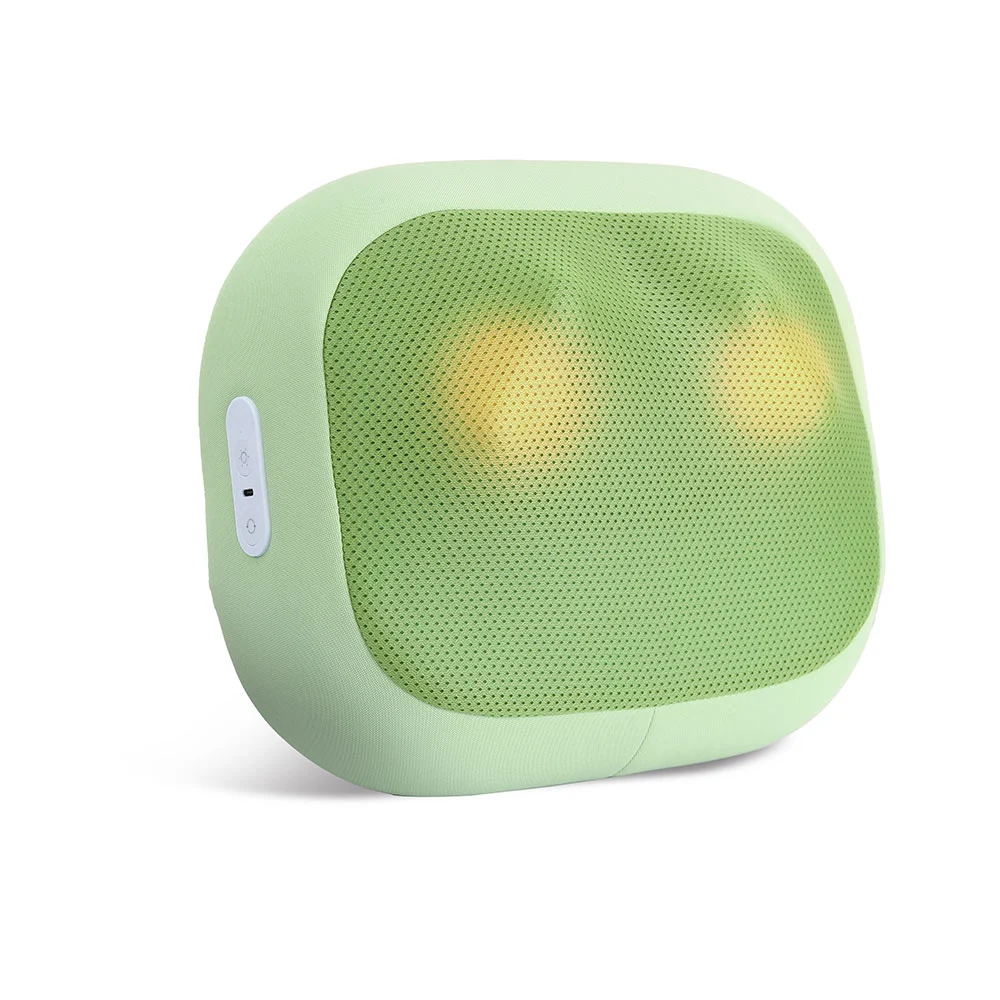
Modern wellness technology has evolved far beyond basic vibrational nodes, introducing sophisticated multi-modal therapy into compact, wear-and-go devices. High-performance recovery units combine deep-tissue mechanical kneading, dynamic air compression, and precise thermal therapy into a single unified architecture. When active kneading nodes target tight lumbar fascia, they execute rhythmic myofascial release, breaking up deep-seated muscular adhesions along the spine. Simultaneously, far-infrared thermal therapy penetrates deep into microvascular networks, accelerating local blood flow and speeding up cellular tissue repair. Clinical biomechanics research confirms that combining mild thermal energy with localized mechanical pressure significantly lowers back muscle hypertonicity and reduces discomfort. Furthermore, dynamic air compression bags gently lift and decompress overburdened lower back structures, replicating the hands-on techniques of professional physical therapists. This multi-layered approach ensures that office workers receive clinical-level muscle relaxation right at their desks without interrupting ongoing professional tasks.
Practical Advantages of Hands-Free Wearable Wellness Devices
Integrating personal wellness tools into a professional office environment requires careful attention to noise management, discretion, and operational simplicity. Bulkier massage chairs or heavy desktop devices are impractical, noisy, and cost-prohibitive for standard office setups. Lightweight wearable
Essential Ergonomic and Health Benefits for Desk Workers
Regular use of a targeted
Engineering Standards and Supply Chain Innovation in Personal Care Technology
Delivering safe, comfortable, and durable recovery devices requires advanced engineering expertise, rigorous quality control, and robust manufacturing pipelines. Premium wearable wellness products rely on smart NTC temperature monitoring chips to ensure accurate heat control, avoiding skin irritation during prolonged application. Lightweight yet high-tensile fabrics must endure tens of thousands of flex cycles without losing structural integrity or breathability. Global distributor networks, wellness brands, and B2B buyers seeking top-tier personal relaxation products rely on specialized production facilities capable of delivering customized OEM and ODM solutions. Industry-leading manufacturing expertise, exemplified by established personal care technology specialists like
Best Practices for Integrating Lumbar Care into Daily Work Routines
Achieving optimal results from a wearable wellness tool requires a structured daily routine tailored to workplace demands. A recommended daily regimen begins with a short morning activation session featuring low-intensity heat and gentle vibration to warm up stiff spinal muscles before tackling high-priority projects. Following lunch, users can activate deep-kneading and air compression modes for fifteen to twenty minutes to release mid-day muscle tension, reset spinal posture, and prevent afternoon fatigue. Prior to finishing the workday, applying soothing thermal compression helps relax fatigued lumbar tissues before embarking on the evening commute. By following a structured recovery schedule with a modern
Table of Contents
- The Growing Crisis of Sedentary Fatigue in Modern Workspaces
- Technological Innovation Behind High-Efficiency Lumbar Recovery
- Practical Advantages of Hands-Free Wearable Wellness Devices
- Essential Ergonomic and Health Benefits for Desk Workers
- Engineering Standards and Supply Chain Innovation in Personal Care Technology
- Best Practices for Integrating Lumbar Care into Daily Work Routines