
The Growing Appetite for Integrated Wellness Hardware
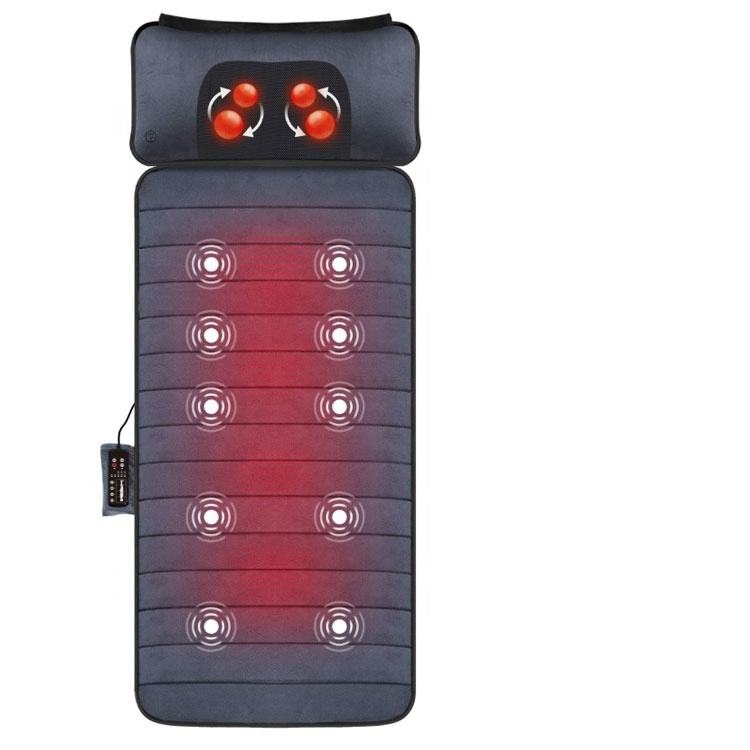
Walk through any major electronics trade show or scroll through the trending personal care categories on global retail platforms, and one shift becomes crystal clear: shoppers want devices that do more than just vibrate against sore skin. Basic massage rollers that merely provide surface-level skin vibration are quickly losing ground. Consumers today deal with complex physical wear, mostly stemming from sedentary desk routines and intense work hours, and they actively seek comprehensive recovery solutions. That explains the surging curiosity around the magnetic therapy series. People are no longer satisfied with choosing between passive magnet wraps and bulky mechanical massagers. Instead, they want unified equipment that bridges dynamic tissue kneading with restorative energy fields. The modern magnetic therapy series answers this exact call by pairing rhythmic acupoint pressure with targeted magnetic flux, creating an everyday physical therapy experience that feels noticeable within the first ten minutes of use.
Desk Fatigue and the Daily Struggle with Postural Strain
Look at modern office culture across corporate centers in Frankfurt, Tokyo, or New York, and the primary catalyst behind this category becomes obvious. Desk workers spend eight to twelve hours hunching over keyboards, cradling phones, or straining neck muscles to stare at dual monitors. Over time, that static posture restricts microcirculation through the cervical spine, creating tough myofascial trigger points that standard foam rollers simply fail to loosen. That is why an ergonomically tuned magnetic therapy series resonates so strongly with this demographic. When gentle magnetic fields operate alongside heated, bi-directional 3D kneading nodes, they encourage stubborn muscle knots to yield without aggressive, bone-jarring strikes. Compact designs that fit over an office chair allow workers to decompress their shoulder blades between conference calls. The quiet motor operation and intuitive controls mean a busy manager can relieve upper-back tightness without disrupting coworkers, turning the magnetic therapy series into an indispensable daily desk companion.
Athletic Conditioning and Elder Joint Mobility
The application spectrum stretches well beyond office cubicles. Sports enthusiasts, weekend runners, and weightlifters deal with delayed onset muscle soreness on a weekly basis. Rather than constantly relying on oral anti-inflammatory pills, athletic users increasingly lean toward localized, non-invasive physical modalities. A portable magnetic therapy series offers deep tissue friction while static magnetic nodes support natural cellular recovery after strenuous workouts. At the opposite end of the age spectrum, senior citizens face degenerative joint changes, stiffness around knees and hips, and diminished peripheral circulation. Aggressive high-impact massage guns often pose serious bruising risks for thin skin and brittle bone structures. In contrast, a well-engineered magnetic therapy series delivers gentle, circulating pressure matched with continuous soothing heat. Adult children frequently buy these devices as thoughtful holiday gifts for aging relatives, knowing the machine provides safe, low-impact relief that grandparents can handle independently.
Mechanical Biomechanics Combined with Magnetic Field Science
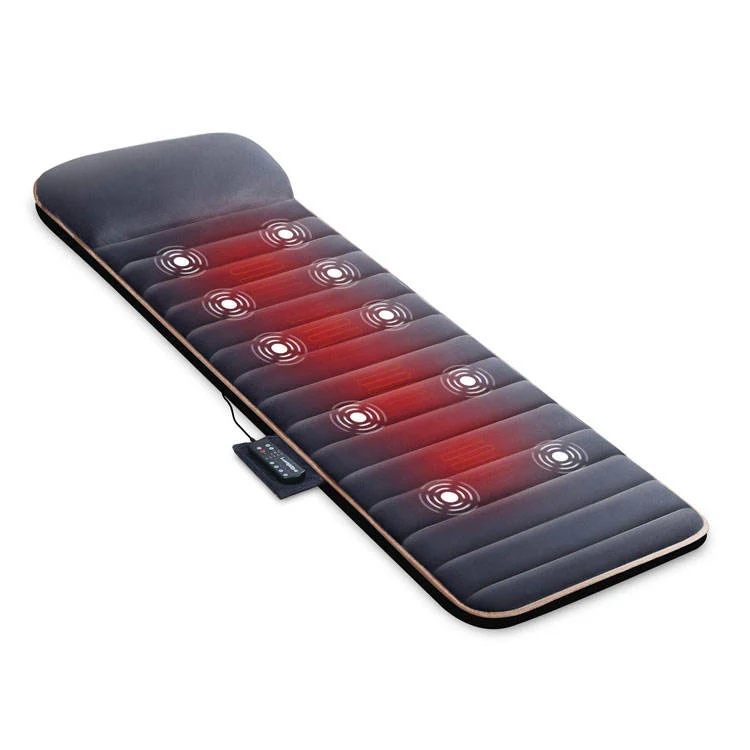
To see why a premier magnetic therapy series outperforms ordinary budget massage pads, consider how biomechanics and magnetics work in tandem. Mechanical nodes physically deform, compress, and stretch tight muscle fibers, temporarily flushing out metabolic waste. At the very same moment, the embedded biomagnetic elements work beneath the skin. Scientific evaluations highlight that placing static permanent magnets within the therapeutic range of 400 to 800 Gauss near major meridian channels, such as the Jianjing point along the trapezius or the Shenshu point across the lower back, helps maintain balanced cellular microenvironments. Achieving this equilibrium is not a matter of tossing random craft magnets into a plastic mold. True product effectiveness demands precise polarity alignment, stable magnetic flux density, and strategic placement directly underneath the rotating nodes so the fields stay in steady contact with the tissue during movement. When these physical elements sync properly, users experience deeper muscular ease and lasting post-session relaxation.
Avoiding Common Pitfalls in Low-Tier Market Hardware
With demand climbing, the market has inevitably seen a flood of subpar copycat units that look decent in digital photos but fail miserably on the test bench. Wholesale buyers frequently run into issues with cheap ferrite magnets that lose magnetic strength after brief thermal exposure, noisy brush motors that overheat under twenty pounds of applied pressure, and stiff imitation vinyl that cracks after a few months of sweat contact. A commercially viable magnetic therapy series requires heavy-duty brushless copper motors, flame-retardant internal housings, and skin-friendly antibacterial mesh fabrics that survive rigorous abrasion tests. Electrical systems must pass stringent electromagnetic compatibility checks so the magnetic field does not trigger interference with nearby wireless devices or sensitive household appliances. Sourcing teams that skip thorough factory audits often end up battling elevated return rates, bad product reviews, and painful customs delays caused by missing electrical compliance documentation.
Strategic Sourcing and Long-Term Scalability for Global Brands
Building a profitable product line around the magnetic therapy series requires aligning with a production partner that understands medical device standards alongside consumer aesthetics. Retail buyers need versatile product selections, spanning lumbar support cushions, air-pressure magnetic wrist devices, and heated contour pillows. That demands a supply chain capable of agile OEM and ODM engineering, from custom mold tooling and PCB firmware tuning to regional plug certifications like CE, RoHS, FCC, and CB. Operating as a recognized drafting unit of national massage appliance standards and holding Class II medical device manufacturing qualifications alongside ISO9001 quality systems and US FDA registrations, EMOKA exemplifies the manufacturing discipline needed to bring an advanced magnetic therapy series to competitive international shelves. Working directly with an established engineering leader guarantees consistent Gauss intensity across thousands of units, quiet motor reliability, and factory-direct pricing that secures healthy commercial profit margins. As global consumer demand for non-invasive health technology accelerates, adding a verified magnetic therapy series to your seasonal lineup represents a calculated, high-return move for forward-thinking wellness distributors.
Table of Contents
- The Growing Appetite for Integrated Wellness Hardware
- Desk Fatigue and the Daily Struggle with Postural Strain
- Athletic Conditioning and Elder Joint Mobility
- Mechanical Biomechanics Combined with Magnetic Field Science
- Avoiding Common Pitfalls in Low-Tier Market Hardware
- Strategic Sourcing and Long-Term Scalability for Global Brands